
As a coffee machine exporter navigating global markets, one question you’ll face repeatedly is: Should buyers opt for pre-ground coffee powder or whole beans? The answer isn’t straightforward—it hinges on machine type, consumer behavior, and regional preferences. Here’s how to guide clients effectively while avoiding generic advice.
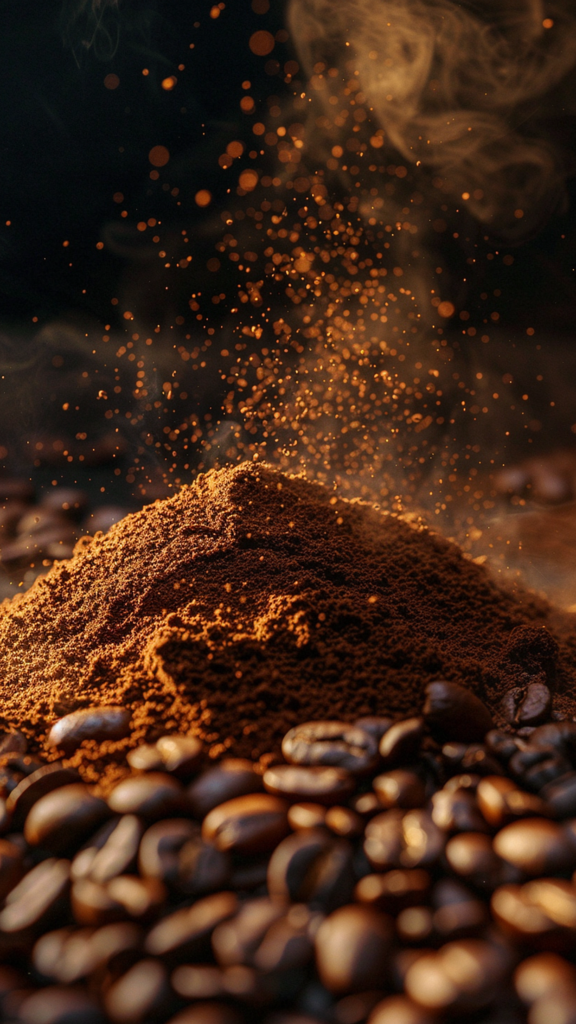
1. Grinding Mechanics & Machine Compatibility
Coffee Beans require on-demand grinding, which directly impacts machine design. Burr grinders (common in espresso machines) crush beans uniformly, preserving flavor oils. However, blade grinders (often in budget drip systems) generate heat, uneven particles, and channeling risks.
- Key Insight: Machines with built-in grinders (e.g., Italian espresso makers) favor beans. For entry-level automatic brewers, pre-ground powder simplifies use but sacrifices freshness.
- Regional Example: In Italy, 89% of espresso machines are bean-compatible, while U.S. households lean toward pods/powder for convenience.
Coffee Powder skips grinding but introduces shelf-life challenges. Pre-ground coffee oxidizes rapidly—flavor degrades by 50% within 14 days. Buyers using capsule machines (e.g., Nespresso) bypass this issue, but manual brewers risk weak brews if powder sits unused.
2. Cost Efficiency vs. Convenience Trade-offs
- Cost:
- Beans cost ~$0.50–$1.50 per cup (depending on origin) but require grinder investment.
- Powder costs $0.10–$0.30 per cup but leads to waste (average 20% excess in households).
- Labor:
- Bean grinding adds 2–3 minutes per brew, a deterrent for office environments.
- Powder suits high-volume settings (e.g., hotels, diners) where speed trumps customization.
Pro Tip: In emerging markets like India, compact manual grinders paired with beans are gaining traction among middle-class households valuing affordability and freshness.
3. Flavor Retention & Consumer Preferences
- Beans: Freshness peaks within 7 days. Cold-brew enthusiasts prefer beans for lower acidity, while pour-over aficionados prioritize grind size (medium-coarse for V60, fine for Moka pots).
- Powder: Vacuum-sealed, nitrogen-flushed packaging extends shelf life to 6 months but often sacrifices nuanced flavors.
- Data Point: A 2023 survey found 62% of EU consumers associate beans with “premium quality,” while 58% of Asians prioritize convenience over origin.
4. Storage & Sustainability Considerations
- Beans: Resistant to humidity if stored in airtight containers. Biodegradable packaging (e.g., compostable pouches) appeals to eco-conscious buyers in Scandinavia.
- Powder: Susceptible to moisture absorption. In tropical climates (e.g., Southeast Asia), desiccant sachets or resealable pouches reduce clumping.
- Carbon Footprint: Bean production generates 20% less waste than powder, aligning with EU sustainability directives.
5. Market-Specific Recommendations
- USA/Europe:
- High-end markets: Promote bean-compatible espresso machines with built-in grinders.
- Mass-market: Offer single-serve pods (pre-ground) alongside drip machines.
- Middle East:
- Emphasize aromatic beans (e.g., Turkish coffee blends) with hand grinders for traditional cezve brewing.
- APAC:
- Capsule systems dominate Japan/South Korea; highlight compact, space-saving designs.
- India/Bangladesh: Bundle entry-level grinders with medium-roast beans for home use.
Final Export Strategies
- Educate via Demonstration: Use video tutorials showing bean-to-cup workflows for premium machines.
- Localize Packaging: In humid regions, add silica gel inserts; in Germany, include recyclability certifications.
- Bundle Smartly: Pair budget machines with 2-week supply pouches (freshness guarantee) to reduce returns.
By aligning coffee form with machine functionality and cultural habits, you’ll position your products as both practical and aspirational. Remember: The right choice isn’t about beans vs. powder—it’s about enhancing the user’s daily ritual.