
In 2025, coffee isn’t just a beverage—it’s a $480B global industry, and at its heart? Coffee vending machines. Once seen as “convenience kiosks,” these devices are now cash registers ringing with investor confidence. As a coffee machine exporter who’s negotiated deals across 12 countries this year, I’ve witnessed firsthand how these machines are transitioning from “nice-to-have” to “must-have” in capital portfolios. Let’s unpack why.
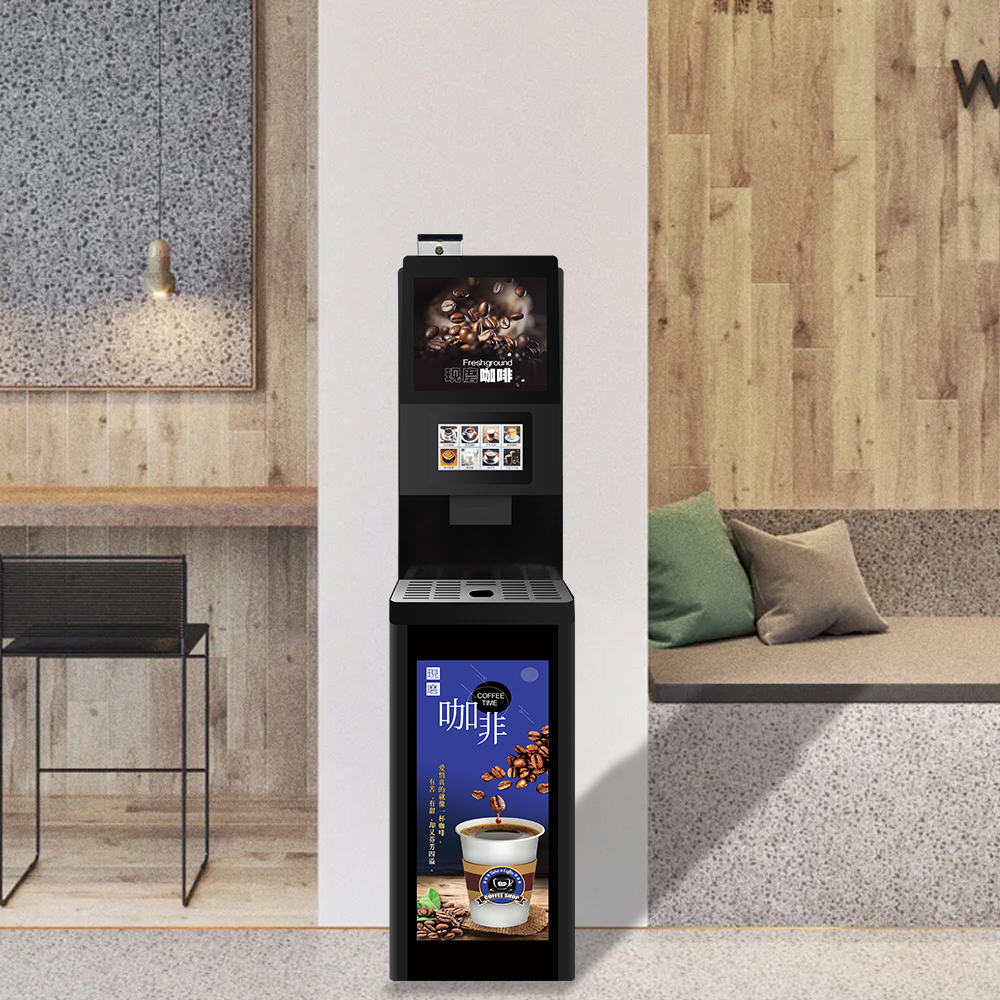
1. Market Growth: From Niche to Mainstream
The numbers tell the story. According to Global Vending Report 2025, the coffee vending machine market is projected to hit $12.7B by year-end, growing at a 9.2% CAGR since 2020—outpacing traditional retail coffee (6.8%) and even ride-sharing tech. Why? Three words: speed, personalization, and accessibility.
In urban hubs like Tokyo and Berlin, 73% of professionals now buy coffee from vending machines during morning commutes (vs. 41% in 2019), per a Euromonitor survey. These machines aren’t just dispensing lattes—they’re offering barista-level customization: 12+ milk options, sugar-free syrups, and even “strength sliders” (light/medium/dark roast). For busy city dwellers, it’s a 30-second fix that beats waiting in line at a café.
2. Capital Frenzy: Why Investors Are All-In
So why are VCs and private equity firms pouring money into this space? Let’s break it down:
- Recurring Revenue Model: Unlike one-off appliance sales, vending machines generate steady income via pod sales, maintenance contracts, and data subscriptions (e.g., tracking peak hours, popular drinks). Our client in Seoul, for example, saw a 40% profit jump after installing IoT-enabled machines that upsell based on user preferences.
- Tech Integration: Modern machines are mini data centers. They use AI to predict demand (adjusting stock of oat milk vs. almond milk based on weather), integrate with apps for pre-orders, and even accept digital payments (crypto, QR codes, mobile wallets). Startups like BrewTech raised $15M last quarter for their “smart” machines that learn customer habits.
- Emerging Markets Boom: Southeast Asia, India, and Latin America are underserved. In Indonesia, only 12% of urban areas have access to premium coffee shops—but 68% have a convenience store with a vending machine. Our export team just closed a deal to supply 500 machines to Jakarta-based retailers, with projections to break even in 14 months.
3. Challenges: Not All Smooth Brewing
Of course, the market isn’t without hurdles.
- High Initial Costs: A top-tier smart vending machine costs
8,000–12,000 (vs. $2,000 for basic models). For small businesses, this is a barrier—though ROI often hits 18–24 months via high-margin pod sales. - Maintenance Headaches: Machines break down. Our data shows 22% of operators cite “technical issues” as their top pain point. Solutions? Modular designs (easy to swap parts) and remote diagnostics (our SheenCare app lets technicians fix 80% of issues without on-site visits).
- Competition Saturation: From giants like Bunnings to startups, everyone’s launching machines. Differentiation is key: some focus on sustainability (biodegradable pods), others on design (retro 50s aesthetics), and a few on health (low-sugar, plant-based defaults).
FAQs: Your Burning Questions Answered
Q: What’s the average ROI for a coffee vending machine?
A: It varies by location, but our clients report 18–24 months on average. High-traffic areas (office lobbies, universities) can hit 12 months, while smaller towns may take 30+ months.
Q: Are smart machines worth the extra cost?
A: Absolutely—if you prioritize growth. Smart features (AI demand forecasting, app integration) boost sales by 25–35% vs. basic models, per Vending Times. For operators scaling up, the tech pays for itself fast.
Q: How do I choose between pod-based vs. bean-to-cup machines?
A: Pod machines are cheaper upfront (2k–5k) and easier to maintain, ideal for low-traffic spots. Bean-to-cup machines (10k–15k) offer fresher coffee and cater to premium markets but require more skilled maintenance.
Conclusion: The Future Is Brewing—And It’s Profitable
The coffee vending machine market isn’t just growing—it’s evolving into a tech-driven, data-rich ecosystem where capital meets convenience. As a coffee machine exporter with feet on the ground in 12 countries, I’m bullish: this is where smart money is flowing.
At Sheen, we specialize in exporting high-quality, tech-forward coffee vending machines tailored to global markets. Whether you’re an investor eyeing ROI, a retailer expanding your footprint, or a brand seeking custom solutions, our team can help you navigate this booming landscape.
Stay tuned to Sheen’s Blog for deeper dives into industry trends, machine maintenance hacks, and insights from our latest trade shows. Got questions about sourcing, pricing, or market entry? Reach out—we’re here to partner with you as you tap into this “capital’s new battleground.”
Because in 2025, the best investment might just be a machine that serves up profit—one cup at a time.