
Let’s get real: I’ve been there. The dream of waking up to barista-quality coffee at home? The promise of saving $5 a day on lattes? I’ve chased it—hard. Over the past five years, I’ve owned three coffee machines: a sleek manual espresso maker, a “no-mess” capsule system, and a fancy-schmancy semi-automatic with a built-in grinder. Each time, I thought I’d finally cracked the code. Spoiler: I didn’t. Not until I burned through cash, patience, and a few too many bitter, over-extracted cups.
As a coffee machine export manager who’s tested thousands of machines (and watched clients make the same mistakes), I’m here to save you the trouble. Here’s what I wish I’d known before hitting “buy” on my first brewer—and what I’d tell any friend asking for advice today.
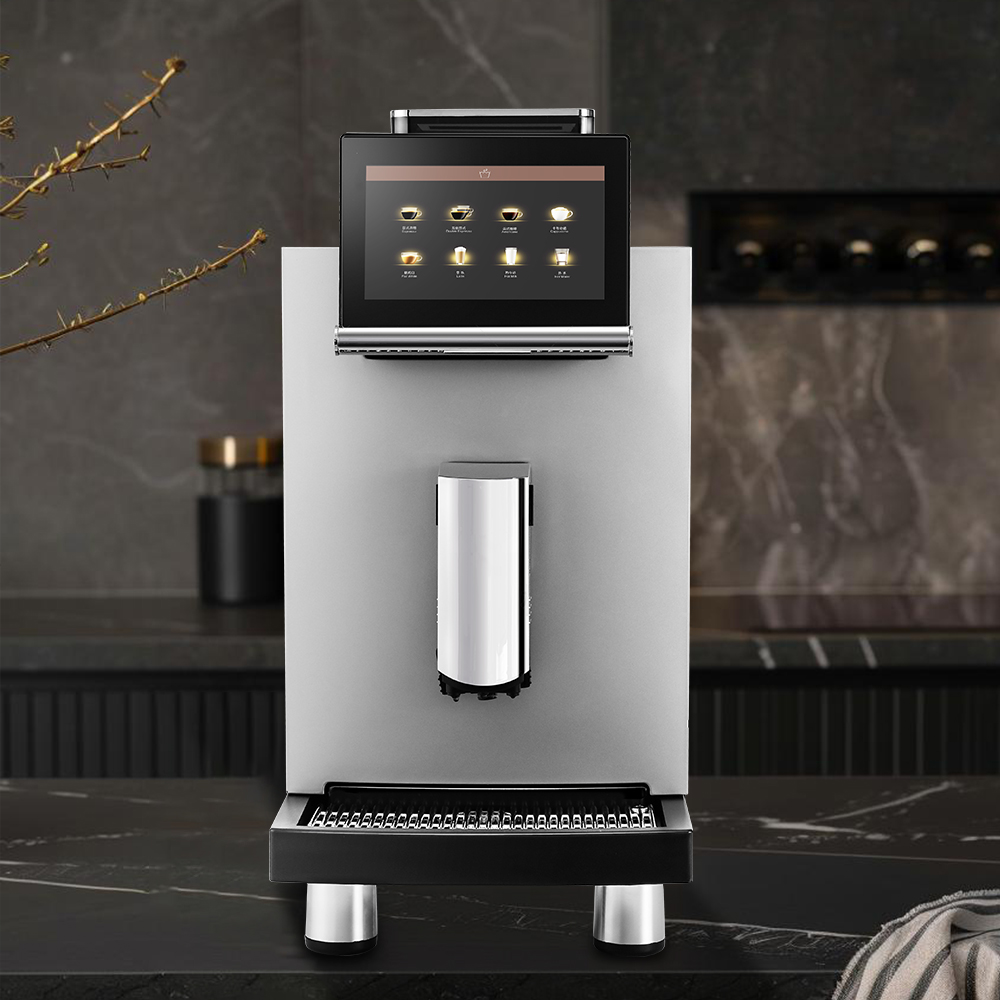
Lesson 1: “Professional Features” Don’t Mean “Better Coffee” (They Mean “More Headaches”)
My first machine? A $800 Italian-made manual espresso maker. It had a 58mm portafilter, a dual boiler, and a “pre-infusion” mode that sounded like it belonged in a NASA lab. I was convinced: This would let me replicate my favorite Milanese café’s cappuccino at home.
Reality check: I spent weeks mastering tamping pressure (too hard = bitter, too soft = weak), temperature control (boiling water scorches the grounds), and timing (25 seconds for a double shot—or else). After three months, I’d averaged 2 usable cups for every 10 attempts. Worse? The machine itself was a diva. It needed daily descaling, weekly backflushing, and every 6 months, a 150 service to replace worn seals. By month six, I’d traded it on Facebook Marketplace for 200—and a newfound hatred of “professional” gear.
The truth? Unless you’re aiming to open a café (or have a degree in coffee engineering), you don’t need a machine with 20 buttons and a warranty longer than your car. Most home brewers—even mid-range ones—produce excellent coffee if they nail the basics: consistent grind size, proper water temperature, and steady pressure. Save the “pro-level” toys for when you’ve got the skills (and time) to match.
Lesson 2: The “No-Cleaning” Lie Will Cost You More Than You Think
Enter my second machine: a $300 capsule system. The ads promised “30-second brews!” and “no mess!” I was sold. For a year, it worked… sort of. The coffee tasted fine (if a bit bitter, thanks to pre-ground pods), and cleanup was just popping out a used capsule. Then the problems started:
- Pod costs: A pack of 12 premium pods runs
18. At 2 cups a day, that’s90/month—or $1,080/year. My old café habit was cheaper. - Machine maintenance: The “auto-clean” cycle? A joke. I’d still get mold in the water reservoir after a month, and the pod chute clogged with coffee dust, making the machine spit out half-full cups.
- Taste stagnation: Pods are pre-ground and oxygen-sealed, but after 2 weeks, they lose freshness. My morning brew went from “okay” to “cardboard” fast.
By year two, I’d spent over $2,500 on pods and repairs. I finally junked it—and learned a hard lesson: Any machine that prioritizes “convenience” over “cleanability” is a money pit. Coffee is 98% water and beans; if your machine can’t keep those two elements fresh (or lets grime build up), your brew will suffer.
Lesson 3: “Trendy Brands” Don’t Care About Your Morning Routine
Desperate for a do-over, I splurged on a $600 “artisanal” semi-automatic machine from a buzzy startup. It had Instagram-worthy stainless steel accents, a built-in burr grinder, and app connectivity (because of course it did). For the first month, I loved it: the app let me schedule brews, the grinder was quiet, and my latte art improved overnight.
Then the problems hit—hard. At 6 months, the grinder motor burned out (turns out “quiet” meant “underpowered”). The company’s customer service? A bot that looped me through 45 minutes of hold music before emailing, “We’re sorry, but your model isn’t eligible for repair under warranty.” I later found out the startup had gone bankrupt—taking my $600 with it.
The moral? Stick to brands with a track record. Fancy startups might look cool, but they often cut corners on parts (like grinders or boilers) to hit price points. And if they fold? You’re stuck with a brick. I learned to prioritize manufacturers with 5+ years in the business, transparent warranties, and local service centers (thankfully, Sheen’s factory in Ningbo has a 10-year partnership with a U.S.-based repair network).
FAQ: What Every First-Time Coffee Machine Buyer Asks
Over the years, our export team has heard it all. Here are the top questions (and honest answers) from newbies:
Q: What’s the “sweet spot” for budget?
A: 400–800. Below 400, you’ll sacrifice durability (cheap plastic parts) or performance (weak boilers). Above 800, you’re paying for “luxury” features (like gold-plated portafilters) that don’t improve taste. Our best-sellers for home use? The Sheen Classic Semi-Automatic (599) and the Sheen Compact Capsule System (349)—both reliable, easy to clean, and backed by a 3-year warranty.
Q: Do I need a separate grinder?
A: Absolutely. Built-in grinders sound convenient, but they’re often underpowered (burning beans) or inconsistent (uneven grind sizes). A good burr grinder (100–200) will last years and make any machine taste better. Pro tip: Pair our Sheen Compact Machine with our Sheen FreshGrind 2.0—you’ll get café-quality results for less than a fancy all-in-one.
Q: How often do I need to descale?
A: Every 2–3 months, depending on your water hardness. Hard water (common in cities like NYC or Mumbai) mineralizes faster, so check your machine’s manual. Our Sheen machines have a “descale alert” feature—they’ll beep when it’s time, so you don’t have to guess.
Q: What if I hate my first machine?
A: We offer a 30-day “no-questions” return policy. If it doesn’t brew to your liking (or breaks within a month), send it back—we’ll refund you or help you exchange it for a better fit. We’ve even been known to throw in a free bag of our house blend to sweeten the deal.
Final Thoughts: Your Perfect Brewer Is Simpler Than You Think
Buying a coffee machine isn’t about chasing “the best”—it’s about chasing your best. Do you want speed? Consistency? Aesthetics? Value? Once you nail down your priorities (and avoid the three traps I fell into), you’ll find a machine that works for you, not against you.
At Sheen, we’ve spent 15 years refining our home brewer line. We test every machine with real people (not just engineers)—busy parents, early birds, coffee snobs—to ensure they’re durable, easy to use, and (most importantly) make coffee that tastes like joy.
If you’re ready to skip the trial-and-error phase, I highly recommend checking out our Sheen Classic Semi-Automatic or Compact Capsule System. And if you have more questions (I’ve got a spreadsheet of customer hacks!), be sure to follow Sheen’s Blog—we post weekly guides on brewing tips, machine maintenance, and behind-the-scenes stories from our factory floor.
Ready to upgrade your morning? Reach out for a quote—we’d love to help you find your perfect brew. After all, the best coffee isn’t just about the beans… it’s about the machine that brings them to life.