
7:15 AM. The soft chime of my alarm cuts through the hazy quiet of dawn. I blink, still half-lost in the warmth of my duvet, but one thought anchors me: coffee. Not just any coffee—my coffee. Before my feet even hit the floor, I know exactly what’s waiting for me in the kitchen: my fully automatic espresso machine, a sleek silver companion that’s turned my chaotic mornings into something resembling a gentle ritual.
Let me backtrack. A year ago, I was the poster child for morning chaos. I’d fumble with a drip coffee maker, spill grounds on the counter, and end up with a bitter, over-extracted mess that barely qualified as “wake-me-up juice.” Then I upgraded to a semi-automatic machine—complicated, temperamental, and frankly, not worth the effort when I was half-asleep. That all changed when I discovered fully automatic machines. Now, at 7:20 AM, I stand in my kitchen, still in pajamas, and in under three minutes, I’m sipping a velvety latte tailored exactly to my taste. Let me walk you through why this little marvel has become my non-negotiable morning essential.
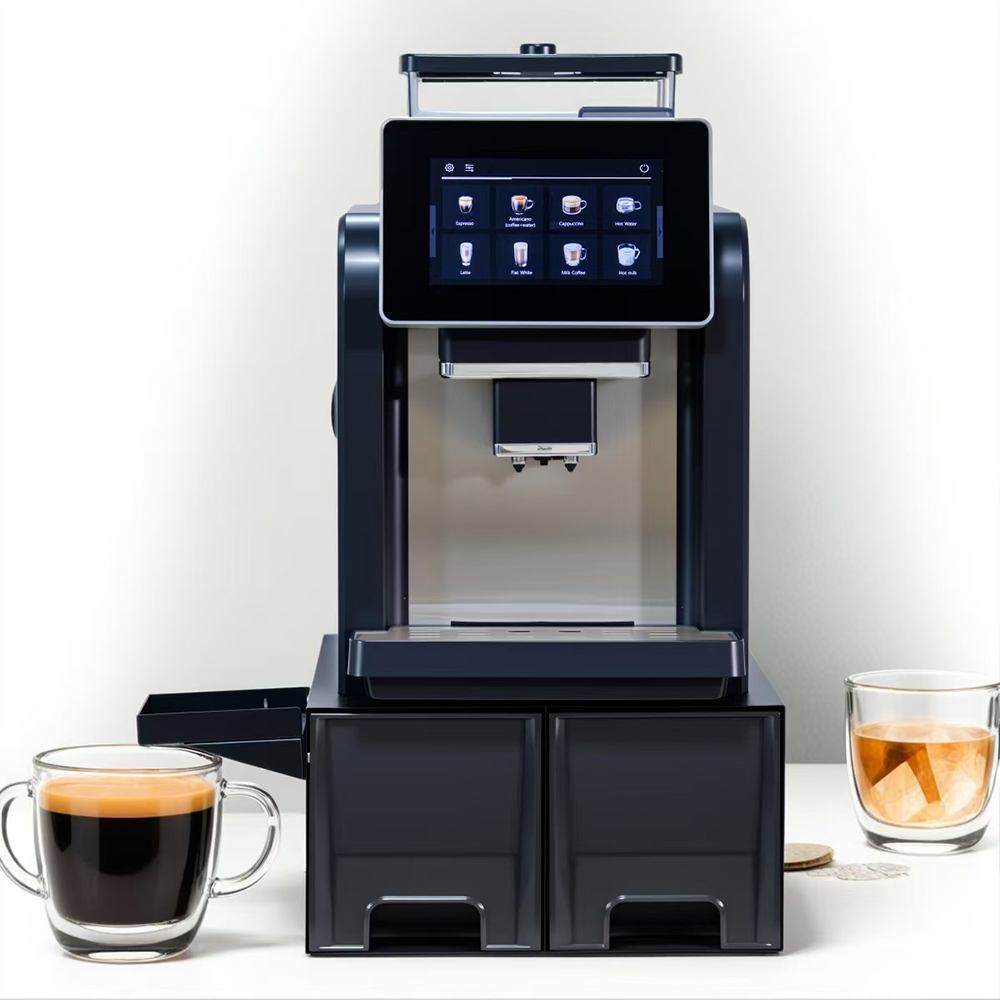
The Ritual Begins: From Wake-Up to First Sip
My routine starts the night before. I fill the machine’s water tank (a 1.5L capacity means I rarely need to refill it mid-week), drop a pod of freshly ground Colombian beans into the built-in grinder, and set the timer for 7:18 AM. Yes, timer. One of the first things I fell for was the programmable start function—you can tell the machine, “Wake me up with coffee,” and it does. No more stumbling around in the dark searching for the “on” button.
At 7:18, the machine hums to life. First, it grinds the beans with a low, rhythmic buzz—so quiet, I barely notice it over the birds chirping outside. Then comes the pre-infusion: hot water seeps through the grounds slowly, softening them to unlock maximum flavor. I’ve learned this step is key; without it, espresso can taste harsh or bitter. Once pre-infused, the machine builds pressure, extracting that rich, golden-brown crema I’ve come to associate with “perfect coffee.”
By 7:21, the machine beeps. I walk over, place my favorite ceramic mug (the one with the chipped handle I refuse to replace) under the spout, and press a button: latte. The machine froths milk in seconds—silky, velvety microfoam that mixes seamlessly with the espresso. No more scalded milk or lumpy froth from my old French press. By 7:23, I’m holding a steaming cup, the aroma wrapping around me like a warm hug, and the day suddenly feels manageable.
Why Fully Automatic? It’s About Control Without the Work
People often ask me, “Aren’t fully automatic machines just… too much?” My answer? Absolutely not—if you value consistency and convenience. Here’s what I’ve realized:
- No skill required: You don’t need to be a barista. The machine handles grinding, tamping, extracting, and frothing. I once watched my partner (who once burned water in a microwave) make a cappuccino that rivaled our local café’s. He was thrilled.
- Customization is king: Want a double espresso? A flat white? A ristretto? Just press a button. Most models let you adjust grind size, coffee strength, and milk temperature, so you can tweak your drink until it’s yours.
- Consistency, every time: No more “off days” with the coffee. The machine’s sensors ensure the same pressure, temperature, and extraction time, so your morning brew never lets you down—even on Mondays.
Your Questions, Answered: What New Users Wonder
Over the past year, friends, family, and even clients (yes, I now work in coffee machine exports—this machine is my stealth sales tool!) have asked me endless questions about fully automatic machines. Here are the ones I hear most:
Q: Isn’t it hard to clean?
A: Not at all. My machine has an automatic rinse cycle—I just press a button after use, and it flushes out leftover grounds and water. I also wipe the milk frother nozzle with a damp cloth daily (to prevent mold) and descale it once a month (a quick process with a descaling solution). It takes 10 minutes total, and my coffee always tastes fresh.
Q: Do I need to use special beans?
A: Nope—whole beans work best (the grinder is built-in, so freshness matters!), but pre-ground coffee (as long as it’s fresh) works too. I’ve even used decaf when my partner can’t sleep—no issues. Just avoid oily or stale beans; they can clog the grinder.
Q: How loud is it?
A: Surprisingly quiet. The grinder is the noisiest part, but it’s about as loud as a blender on low. I’ve made coffee at 6 AM on weekends without waking my partner—he swears he didn’t hear a thing.
Q: Can it make iced coffee?
A: Some models can, but mine doesn’t (yet!). That said, I pour my hot latte over ice, add a splash of oat milk, and it’s divine. If iced coffee is a must, look for models with a “cold brew” or “ice coffee” setting—they’re becoming more common.
Final Thoughts: More Than a Machine, It’s a Morning Companion
This fully automatic coffee machine isn’t just an appliance—it’s a small daily luxury that turns stress into calm. In a world where mornings can feel rushed and chaotic, it gives me 10 minutes of peace: time to sip my coffee, check my emails, or just watch the sunrise. And now, as someone who exports these machines globally, I get to share that joy with others. Whether you’re a busy parent, a night-shift worker, or someone who just hates waiting for coffee, a fully automatic machine might just be the upgrade your mornings need.
If you’re curious about which models work best for your lifestyle, or if you have more questions (I’ve got answers!), be sure to follow Sheen’s Blog—I post weekly guides, product reviews, and behind-the-scenes stories from the factory floor. And if you’re ready to upgrade your morning routine, reach out for a quote—we’d love to help you find your perfect brew.
Here’s to better mornings, one automatic drip (or latte!) at a time. ☕