
Choosing between a pump espresso machine and a steam espresso machine can feel like a tactical decision. I still remember my first café trial—watching a busy barista switch to a pump machine and serve twice as many drinks with richer crema. That’s when I realized: for serious users, this isn’t just a purchase—it’s a performance upgrade.
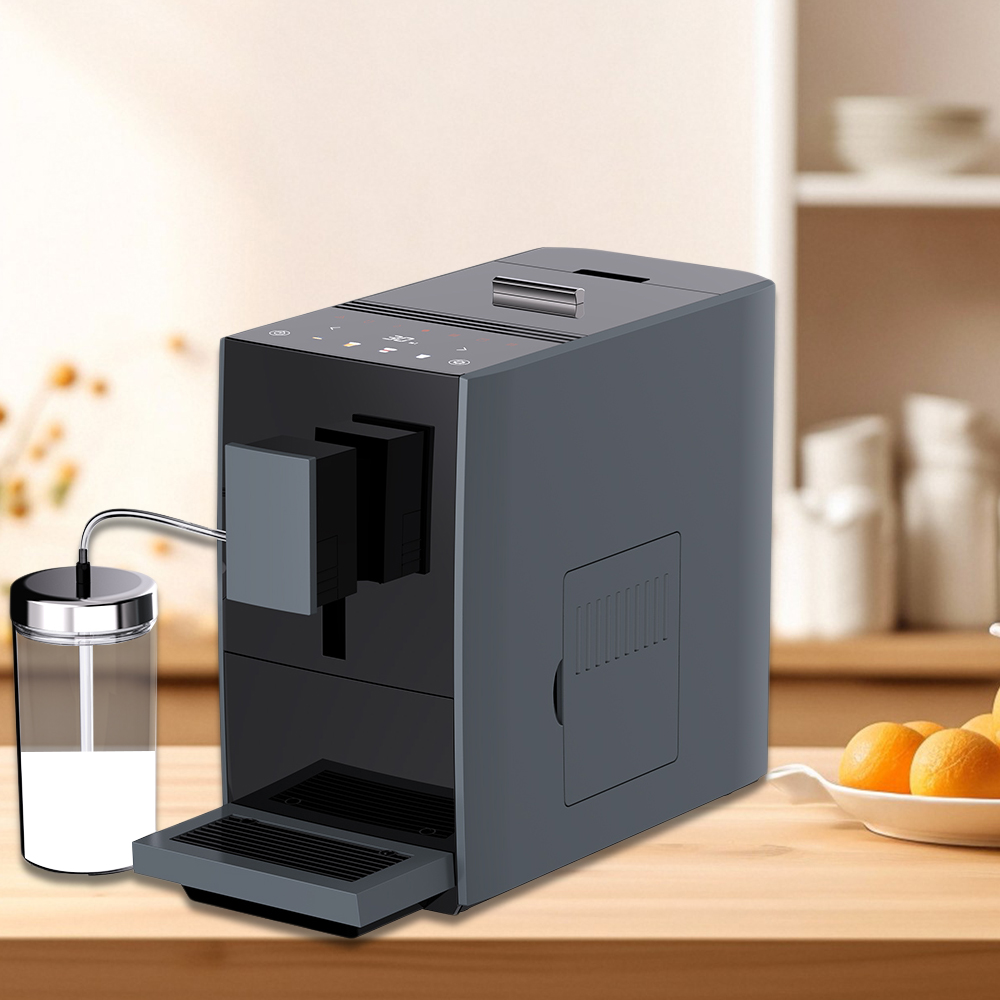
What’s the Difference? (Interest)
Pump Espresso Machine vs Steam Espresso Machine: Core Comparison
- Pump machines use an electric motor to force water through the coffee puck at high pressure (typically 9 bars).
- Steam machines rely on steam pressure built from boiling water—usually weaker (~1–2 bars).
H3: Pump Machine Benefits
- Consistent shot quality and rich crema
- Faster recovery between shots
- Professional-level extraction even in tight schedules
Steam Machine Benefits
- Lower cost and simpler mechanics
- Lighter machine, less maintenance
- Good for light usage or beginners
I’ve tested both in real cafés, and even for home baristas wanting quality with reliability, pump machines typically outperform steam units.
Why It Matters (Desire)
Real-World Results: Pump vs Steam
Imagine a small café serving 100 drinks during morning rush. With a pump machine, baristas can pull shots sequentially with stable temperature, resulting in consistent taste. A steam machine, by contrast, slows down when steaming, leads to temperature drops, and demands more attention.
In one instance, a client switched from a basic steam machine to a dual-pump model and saw customer satisfaction jump—and handheld downtime cut by 50%.
Current Use Cases
| Scenario | Better Option |
| Busy café or restaurant | Pump espresso machine |
| Home kitchen or occasional use | High-quality steam machine |
| Tight budget, low volume | Entry-level steam unit |
How to Decide (Action)
- Estimate your volume: >20 shots per day? Go pump.
- Consider maintenance access: pump machines need occasional service.
- Brand and support: choose reliable brands with strong support networks.
- Try before buying: ask for a demo at a café or showroom.
Want to compare specific models like Sheen’s pump-model or our commercial steam options? Contact us for real customer quotes, price estimates, or product walkthroughs.
FAQ Section
1. What should I look for in a reliable T-shirt manufacturer?
You’ll want to consider more than just the price. Look at their experience with custom orders, ability to offer fabric and printing options, sample turnaround time, and how responsive they are to your questions. A good manufacturer will walk you through the process and make things easier, not harder.
2. How do I know if a factory can really handle bulk custom T-shirt orders?
Ask for real case studies, photos of their production line, or even a video call. If they can show past work for brands like yours, that’s a good sign. Also, check whether they have in-house facilities for cutting, sewing, printing, and quality checks—outsourcing too much can cause delays.
3. What are the typical lead times for custom T-shirt production?
For first-time orders, most manufacturers take around 2–4 weeks, depending on your order size and customization level. Once the sampling is approved, bulk production can often move faster in repeat orders. Always confirm timelines in writing before placing your order.
4. How flexible are manufacturers with fabric, size, and print customization?
It varies. Some factories only offer fixed catalogs, while others—like full-service manufacturers—let you pick the fabric weight, color, style, and printing method. If you have specific requirements, mention them early to see how they respond. The right partner will offer practical suggestions, not pushback.
5. How can I avoid communication issues with overseas clothing factories?
Clarity and documentation help a lot. Choose a supplier that responds in clear English, provides spec sheets, and confirms each detail before production. If possible, get everything from fabric type to label placement written into a tech pack or order form. Good communication reduces surprises later.
Closing Remarks & Social Proof
“After switching to a pump espresso machine, throughput doubled and our café received fewer complaints about weak shots.” – Jamie, café owner
When I began recommending pump machines to clients, I heard this story more than once. That kind of feedback speaks volumes.
Even for home baristas, investing in a pump-based machine—especially one with PID or heat-exchange boilers—can transform your brewing experience. It’s not just convenience—it’s consistency.
Curious about pricing or specific models like Sheen’s dual-group pump espresso machine? Feel free to contact us. We’re happy to guide you to the best fit.