
Why Semi-Automatic Coffee Machines Are Winning Hearts in the Coffee World
As a coffee machine export manager who has traversed trade shows from Milan to Shanghai and collaborated with retailers, roasters, and home users worldwide, I’ve noticed a clear trend: semi-automatic coffee machines are no longer just tools for baristas—they’re becoming staples in kitchens, cafés, and even office spaces. Unlike their fully automatic or manual counterparts, these machines strike a unique balance between control, customization, and accessibility. Let’s unpack why they’ve captured the hearts of coffee enthusiasts and businesses alike.
1. The “Goldilocks” of Control: Balancing Skill and Ease
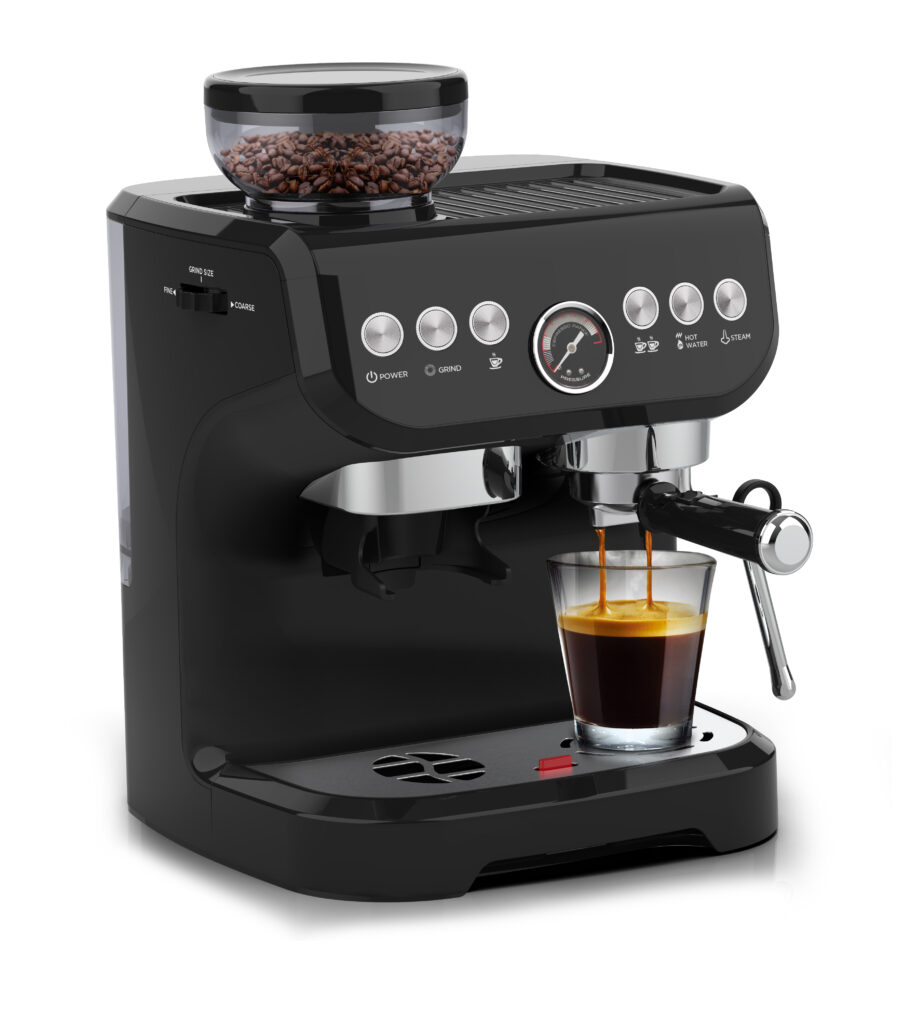
Semi-automatic machines bridge the gap between the hands-off nature of drip makers and the precision required for manual espresso (think piston lever or aeropress). At their core, they automate the critical step of extraction pressure (typically 9 bars, the sweet spot for espresso), but leave the rest—grinding, dosing, tamping, and brew time—to the user. This “guided creativity” is their superpower.
For home users, it’s a gateway to professional-style coffee without the steep learning curve of a manual machine. You don’t need years of practice to pull a decent shot; you just need to follow basic steps (grind beans finely, fill the portafilter, tamp evenly, and start the machine). For seasoned baristas, semi-autos offer the flexibility to tweak variables—like adjusting grind size mid-brew or extending extraction time—to highlight a bean’s unique characteristics (e.g., bright acidity in Ethiopian Yirgacheffe or chocolatey notes in Brazilian Santos).
This adaptability makes them a hit among coffee lovers who crave both convenience and craftsmanship. As one of our retail clients in Seoul put it: “Customers love that they can ‘play’ with their coffee—change the grind, adjust the pressure—and get a different flavor every time. It’s like having a mini café in their kitchen.”
2. Versatility: From Espresso to Milk Drinks, One Machine Does It All
The modern coffee landscape is dominated by espresso-based drinks—lattes, cappuccinos, flat whites—that require both precise espresso extraction and steamed milk. Semi-automatic machines excel here because they’re designed to handle both tasks seamlessly.
Most models come with a built-in steam wand, allowing users to froth milk to their desired texture (silky microfoam for lattes, stiff peaks for cappuccinos). Some even include dual boilers: one for brewing espresso at optimal temperature (195–205°F) and another for steaming milk, so you don’t have to wait for the machine to reheat between tasks. This versatility turns a simple morning coffee into an artisanal experience—without needing separate appliances.
For small cafés, this means they can serve a wider menu without investing in multiple machines. A local café owner in Berlin shared: “Before upgrading to a semi-auto, we could only do black coffee and basic espresso. Now, with the steam wand and adjustable pressure, we offer 12+ drinks—including seasonal specials like pumpkin spice lattes—and our sales have jumped 40%.”
3. Cost-Effectiveness: Premium Quality Without the Premium Price Tag
Let’s talk numbers. High-end automatic espresso machines (think Jura or Gaggia Brera) can cost 2,000–10,000, while top-tier manual lever machines (e.g., La Pavoni or Profitec) often exceed 3,000. Semi-automatic models, by contrast, range from 500–$2,500—making them far more accessible for home users and small businesses.
Even entry-level semi-autos (like the Rancilio Silvia, a staple in many home setups) deliver pro-level results for under 1,000. Compare that to buying daily 5 lattes at a café: over a year, a $800 semi-auto pays for itself in just 160 cups. For commercial users, the ROI is even clearer: a reliable semi-auto can brew 50+ high-quality drinks daily, reducing labor costs and waste while boosting customer satisfaction.
4. The Rise of “Coffee Culture” and DIY Enthusiasm
The global coffee craze isn’t just about consumption—it’s about participation. Millennials and Gen Z, in particular, seek experiences that let them “create” rather than just “consume.” Semi-automatic machines fit this mindset perfectly: they turn coffee-making into a ritual.
Social media has amplified this trend. Platforms like Instagram and TikTok are flooded with videos of users tamping, pulling shots, and steaming milk—showcasing not just the end product, but the process. For many, mastering a semi-auto machine becomes a hobby, fostering a deeper connection to coffee. As one of our blog readers commented: “It’s like brewing beer at home, but faster. I love experimenting with different beans and techniques; it makes my morning routine feel special.”
5. Adaptability to Market Trends
The coffee industry is evolving rapidly, with demands for sustainability, traceability, and customization growing. Semi-automatic machines align seamlessly with these trends:
- Sustainability: Many models use less energy than fully automatic machines (no need for constant heating cycles) and reduce waste by letting users grind only what they need.
- Traceability: With direct trade and single-origin beans gaining popularity, semi-autos let users highlight a bean’s origin by adjusting extraction parameters—something fully automatic machines (with pre-set programs) can’t do as effectively.
- Customization: As consumers demand “less sugar, more flavor,” semi-autos enable the creation of low-calorie, high-quality drinks (e.g., black espresso, oat milk lattes with minimal syrups) that align with modern dietary preferences.
Final Thoughts: Why Semi-Automatics Are Here to Stay
In a market saturated with “set-it-and-forget-it” appliances, semi-automatic coffee machines stand out as tools that empower users—whether they’re home baristas, café owners, or casual drinkers—to take control of their coffee experience. They balance skill and simplicity, versatility and value, making them a cornerstone of today’s coffee culture.
At Sheen, we’ve seen demand for semi-automatic models surge, especially among younger buyers and small businesses prioritizing quality and flexibility. If you’re considering adding these machines to your product line or upgrading your home setup, we invite you to explore our curated collection—from entry-level entry models to professional-grade machines built for high-volume use.
Ready to dive deeper? Visit our Sheen Blog for buyer’ guides, maintenance tips, and stories from coffee lovers who’ve transformed their routines with semi-automatics. Have questions about pricing, bulk orders, or after-sales support? Our team is here to help—reach out via email at sales@sheencoffee.com or fill out our inquiry form today.
Cheers to your next perfect shot!